


What Causes Dark Circles & 6 Science-Backed Ways to Treat Them
Published:
Last updated:
Written by Therabody scientists: Tim Roberts, MSc; Rachelle Reed, PhD, MS, ACSM-EP
Whether you wake up feeling well-rested and hydrated or have a short night of sleep, you may see dark circles staring back at you in the mirror in the morning. What makes it confusing is that you may not know what’s causing them.
Dark circles are the visible result of several underlying factors, including facial anatomy, skin thinness, circulation, fluid retention, and lifestyle habits. Understanding what’s causing them can help you find a solution that’s right for you.
Here, we break down what causes dark circles and six science-backed ways to treat them. [1]

What causes dark circles to form?
Dark circles refer to changes in color in the delicate area beneath the eyes that can appear puffy. Instead of matching your overall skin tone, the undereye appears brown, blue, or purple. Because the under-eye area has very thin skin and little cushioning, even small changes beneath the surface can quickly become visible. Often, dark circles result from several factors.
Lifestyle & environmental factors
Dark circles often appear more prominent when you’re tired, stressed, or run down. A lack of sleep can disrupt fluid balance and circulation around the eyes, leading to puffiness that casts shadows. Smoking, excess alcohol intake, and chronic stress may further impair circulation, making discoloration more noticeable. [1, 2]
In some people, dark circles are also influenced by increased pigmentation, linked to genetics, or secondary changes from allergies or eczema. [3] This type of discoloration tends to appear brown rather than blue or purple and can be more noticeable in deeper skin tones.
Aging & facial structure
Facial structure plays a major role in under-eye appearance. Bone shape, ligament placement, fat distribution, and muscle anatomy influence how dark circles appear.
As you age, bone volume in the midface decreases and facial fat shifts downward. This can create hollows that deepen shadows under the eyes. At the same time, thinning skin, collagen loss, and changes in elasticity make discoloration and visibility of veins more pronounced. [1]
Sleep position & lymphatic drainage
Insufficient or disrupted sleep can interfere with lymphatic drainage, allowing fluid to accumulate around the eyes. Sleeping on your stomach or side may worsen this effect due to gravity, which can pull fluid toward the face overnight (one reason under-eye puffiness is often worse in the morning). [4]

6 science-backed ways to reduce dark circles
Once you understand what’s leading to your dark circles, you can choose solutions based on the underlying biology.
These solutions include in-office dermatology treatments, topical formulas, and at-home tools that help reduce puffiness and support circulation. Because dark circles are often driven by more than one factor, combination treatments are often recommended.
1. Try a retinoid made for the under-eyes
Retinoids are a form of vitamin A that, when applied topically, can address dark circles through several pathways. The first is that they increase cell turnover, creating a smoother and more even tone. [5]
They also help boost collagen production, which gradually thickens and strengthens the thin skin under the eyes. Retinoids also help regulate melanin production by influencing the skin cells responsible for pigment, which can help even out discoloration over time. [5]
Because the under-eye area is delicate, retinoids should be used cautiously. Choose formulations designed specifically for this region. (Always avoid getting the product in your eyes.)
2. Look for an eye cream with caffeine
Caffeine can be found in skincare as an ingredient in eye serums and creams. It works by constricting blood vessels and reducing fluid leakage from capillaries. This makes it particularly helpful for dark circles caused by vascular visibility or puffiness. [1]
One study found that applying a caffeine-based gel to the lower eyelid skin helped temporarily reduce puffiness and pigmentation. [7]
A four-week study found that using a caffeine pad containing vitamin K in an Emu oil base improved the skin around the eye of all subjects, showing a reduction in the depth of wrinkles and dark circles. [6] Research on the effects of topical caffeine show is relatively small and still emerging. [7, 8]
3. Include peptides in your daily skincare
Peptides are short chains of amino acids that act like messengers in the skin, signaling it to repair, rebuild, or strengthen itself. In skincare, different peptides serve different roles. Some peptides encourage the skin to produce more collagen, others help slow collagen breakdown, and some deliver trace minerals like copper that support skin repair. [9, 10]
Over time, these signals help improve the skin’s support structure, including collagen and elastin, which can make under-eye skin feel firmer and more resilient. When the skin is stronger and slightly thicker, it’s better able to mask what lies beneath — like blood vessels and shadows — making dark circles appear less noticeable. [1]
Peptides are found in eye creams, serums, and lotions designed for daily use. They’re often paired with hydrating ingredients like hyaluronic acid or soothing agents to support the delicate under-eye area.

4. Work with a dermatologist for professional treatments
For dark circles driven by structural changes (like volume loss or pronounced shadowing), professional treatments can be worth exploring. In-office options such as hyaluronic acid fillers can help soften under-eye hollows. Laser and light-based therapies can address concerns like uneven pigment, collagen loss, or visible blood vessels, depending on the approach. [1]
Always work with a board-certified dermatologist who can tailor treatments to your skin type and goals.
5. Apply cold therapy
Cold therapy has long been used to help reduce inflammation and swelling. By constricting blood vessels, it can limit the buildup of excess fluid that contributes to visible puffiness. The key is using controlled temperatures and appropriate exposure times to support skin benefits without causing irritation. [11, 12, 13, 14]
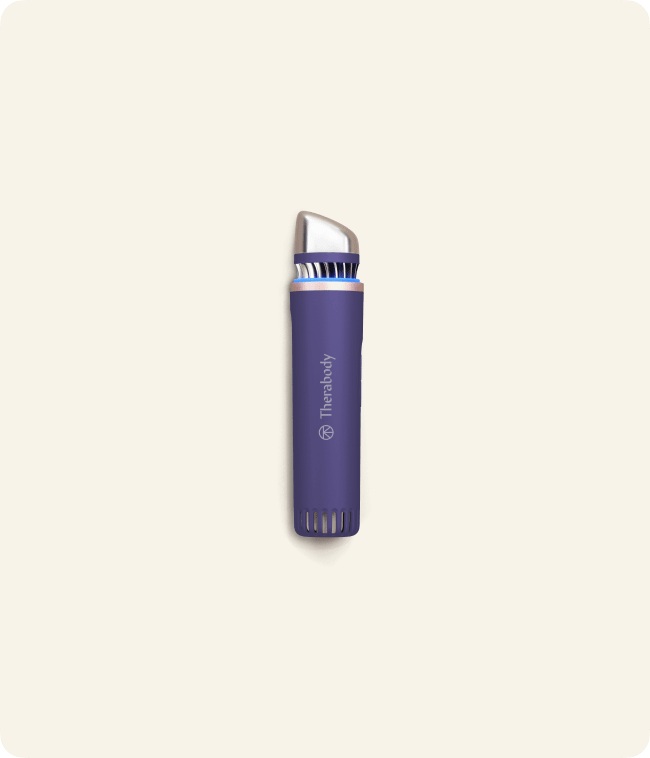
That’s where purpose-built tools come in. TheraFace® Depuffing Wand delivers precise and safe cold therapy, without the mess or temperature extremes of ice bags and rollers. The wand’s tip is cool to the touch and contoured to glide easily over the skin (it also delivers heat therapy).
A clinical study with over 50 participants found:
- After a single use, participants saw measurable reductions in dark circles (a 2.4% decrease) and puffiness (a 3.8% decrease).
- After four weeks of daily use, improvements were sustained and increased, particularly for under-eye puffiness. And 63.2% of participants reported visual improvements in radiance around the eyes.
-
A majority of participants reported visible improvements they could see and feel.
It’s an easy, effective, and safe way to quickly improve the appearance of your eyes.

6. Consult with a provider on lymphatic drainage techniques
The lymphatic system plays a key role in clearing excess fluid and waste from tissues. When lymph flow slows (due to sleep disruption or prolonged stress), fluid can collect under the eyes, leading to puffiness that casts shadows and deepens the appearance of dark circles. However, maintaining healthy lymph circulation can help maintain depuffed skin, as it may help reduce swelling and enhance the skin's overall appearance. [15]
To improve lymphatic drainage below the eyes, apply light pressure and directional movement. This should be about the same amount of pressure as gently applying eye cream, following slow, controlled movements. Consult with your provider before applying lymphatic drainage techniques, as undereye swelling can result from multiple causes.
Key takeaways
- Dark circles under the eyes can be caused by thin skin, visible blood vessels, pigmentation, fluid retention, facial anatomy, and lifestyle factors.
- Under-eye puffiness and lymphatic congestion can deepen shadows and make dark circles appear more pronounced, especially in the morning.
- Science-backed treatment options include topical ingredients like retinoids, caffeine, and peptides; in-office dermatology procedures; and cold therapy.
- The most effective solutions likely involve a combination of treatments.
References:
- Infraorbital Dark Circles: A Review of the Pathogenesis, Evaluation and Treatment
- Impact of Smoking and Alcohol Use on Facial Aging in Women: Results of a Large Multinational, Multiracial, Cross-sectional Survey
- What causes dark circles under the eyes?
- The Sleeping Brain: Harnessing the Power of the Glymphatic System through Lifestyle Choices
- Topical retinoids in the management of photodamaged skin: from theory to evidence-based practical approach
- Evaluation of the clinical efficacy and safety of an eye counter pad containing caffeine and vitamin K in emulsified Emu oil base
- Evaluation of Caffeine Gels on Physicochemical Characteristics and In Vivo Efficacy in Reducing Puffy Eyes
- Caffeine in Skincare: Its Role in Skin Cancer, Sun Protection, and Cosmetics
- Cosmeceuticals and peptides
- Role of topical peptides in preventing or treating aged skin
- Mechanisms and modifiers of reflex induced cutaneous vasodilation and vasoconstriction in humans
- Physiology. Cold current in thermoreceptive neurons
- Therapeutic Modalities, 4e
- How to Get Rid of Bags Under the Eyes
- Anatomy, Lymphatic System