

Rethinking Musculoskeletal Health: From Reactive Care to Daily At-Home Resilience
Published:
Expert Contributors: Tim Roberts, MSc, CSCS: Chief Science Officer, Therabody; Dr. Pamela Peeke, MD, MPH, FACP, FACSM: Therabody Scientific Advisory Board
Aches and pains don’t have to be an expected part of life. Yet for many, musculoskeletal issues follow a familiar pattern. You get a nagging ache after a workout, stiffness that lingers longer than it used to, or a gradual decline in mobility that becomes easy to ignore. Then, you make small adjustments and hope the issue resolves on its own. It's often not until pain becomes disruptive (or an injury occurs) that you seek help.
According to the World Health Organization, musculoskeletal conditions affect more than 1.7 billion people globally and remain one of the leading causes of disability. [1] Low back pain alone impacts hundreds of millions of people each year.
Now, the progression of events is shifting. "For most modern medicine, musculoskeletal care has been something that happen inside a clinic, and only after something goes wrong — pain, injury, or dysfunction that has already set in," says Tim Roberts, MSc, CSCS, Chief Science Officer Therabody. “That model is shifting because both the science and the technology have matured to the point where we no longer have to wait.”
The result, he says, is a move away from episodic care toward continuous, proactive support — one that empowers individuals to take ownership of their physical health every day, not just when problems arise.

What is musculoskeletal health and why does it matter?
“Musculoskeletal health refers to the optimal function of the body's locomotor system, which includes the muscles, bones, joints, tendons, ligaments, and connective tissues that allow us to move, maintain posture, and interact with the world around us," explains Pamela Peeke, MD, MPH, FACP, FACSM, member of Therabody's Scientific Advisory Board. “At its core, musculoskeletal health is not just about avoiding injury. It is about preserving mobility, strength, stability, and resilience across the lifespan.”
What does this actually look like? According to Peeke, when the musculoskeletal system is functioning well, it supports:
- Mobility and independence by enabling everything from daily activities like carrying groceries and climbing stairs to maintaining long-term freedom and self-sufficiency as we age.
- Metabolic health through the role of skeletal muscle as one of the body's primary regulators of glucose uptake, insulin sensitivity, and overall energy balance. [2]
- Posture and structural integrity are maintained, helping the body move efficiently and in alignment, reducing unnecessary strain on joints, organs, and surrounding tissues. [3]
- Protection against injury and falls by improving strength, stability, balance, and coordination — all of which become increasingly important for reducing injury risk and preserving function over time. [4] “Age-related conditions such as sarcopenia (loss of muscle mass) and osteoporosis (bone loss) are directly tied to frailty, fractures, falls, and loss of independence,” says Peeke.
- Quality of life by supporting pain-free movement, better sleep, greater confidence in daily activities, and overall physical and psychological well-being. [5]
“From a longevity perspective, the musculoskeletal system is foundational,” asserts Peeke. “It determines whether someone can stay active, maintain metabolic health, recover from illness, and avoid the cascade of decline that often begins with loss of strength or a fall.”

How exercise recommendations are shifting musculoskeletal health & care
While genetics and aging play a role in musculoskeletal health, research consistently shows that lifestyle factors, particularly resistance training, significantly influence musculoskeletal health. [6]
Peak bone mass and muscle strength are typically developed during childhood and young adulthood. [7] "Think of it like a retirement account," says Peeke. "If you invest early in muscle and bone health, you build a reserve that protects you decades later."
Fortunately, it's never too late to start. Research continues to show that regular physical activity can improve bone density, preserve muscle mass, and reduce fracture risk. Sedentary behavior independently contributes to declines in muscle and bone mass. [8, 9]
A welcome change in strength training recommendations
As evidence of resistance training on musculoskeletal health grows, the official recommendations for what type of exercise and how much you need for optimal benefit continue to evolve. Earlier this year, the American College of Sports Medicine (ACSM) released its first comprehensive update to its resistance training recommendations in 17 years. [10] The updated guidance reflects a significant shift away from a one-size-fits-all approach and toward a more adaptable (and accessible) model of strength training.
"The current guidelines note that any resistance training is better than no resistance training," says Peeke. "The feeling of strict, rigid methods is now replaced with more flexibility and the opportunity for people to customize a way to weight train that is more enjoyable and something they can stick to long term."
This consistency is key, and the recommendation is still to train all major muscle groups for a minimum of two days per week. The resistance that you’re working against your muscles can range from barbells and dumbbells to resistance bands, kettlebells, machines, and bodyweight exercises — all can be effective modalities for building muscle and strength. And the new recommendations emphasize that you don’t have to train to failure to see a benefit.
“I recall the days when pushing every single set to muscular failure (where you cannot complete another rep) was the norm,” says Peeke. “The new guidelines note that updated research shows taking your set to failure is not necessary to achieve muscular gains. I know this will definitely be welcome news to many!”
Overall, the updated recommendations reflect a shift in how we think about strength training itself. For years, resistance training was often associated with athletic performance, bodybuilding, or pursuing specific fitness goals. Today, it is increasingly recognized as one of the most effective tools for maintaining musculoskeletal health across the lifespan. Rather than focusing solely on performance outcomes, the updated guidance emphasizes strength training's role in preserving mobility, supporting joint health, and maintaining independence to stay active for decades to come.

How at-home technology supports musculoskeletal health
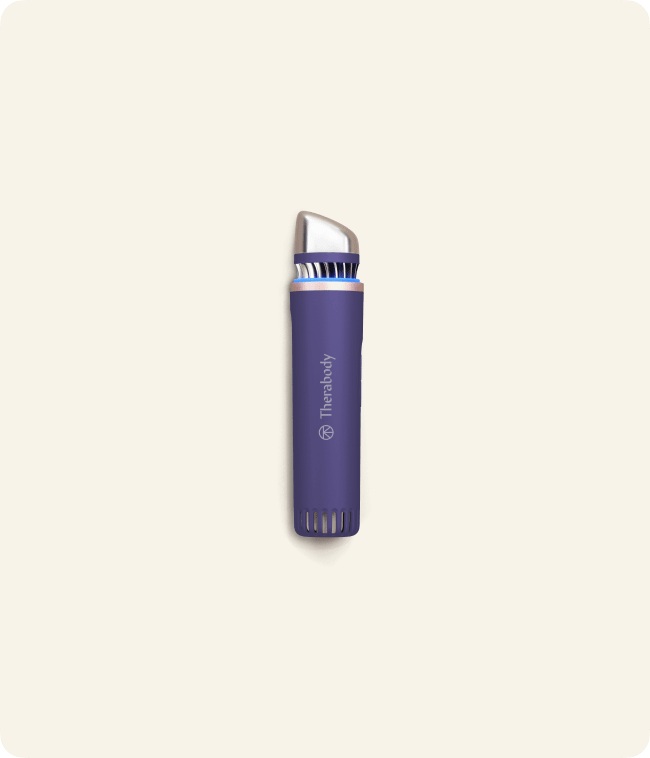
While exercise science is becoming more accessible, so are many of the recovery and wellness tools that were once limited to clinical settings. Technologies such as percussive therapy, heat therapy, and cold therapy have long been used by healthcare professionals, athletic trainers, and rehabilitation specialists. Now, science-backed versions of these therapies are increasingly available for use at home.
“They don't introduce anything foreign to the body — they amplify its own processes: percussion stimulates circulation and neuromuscular activation, heat drives vasodilation and tissue mobility, cold modulate inflammation and pain,” says Roberts. “That accessibility is what changes behavior, because consistent, daily care is far more powerful than occasional intervention.”
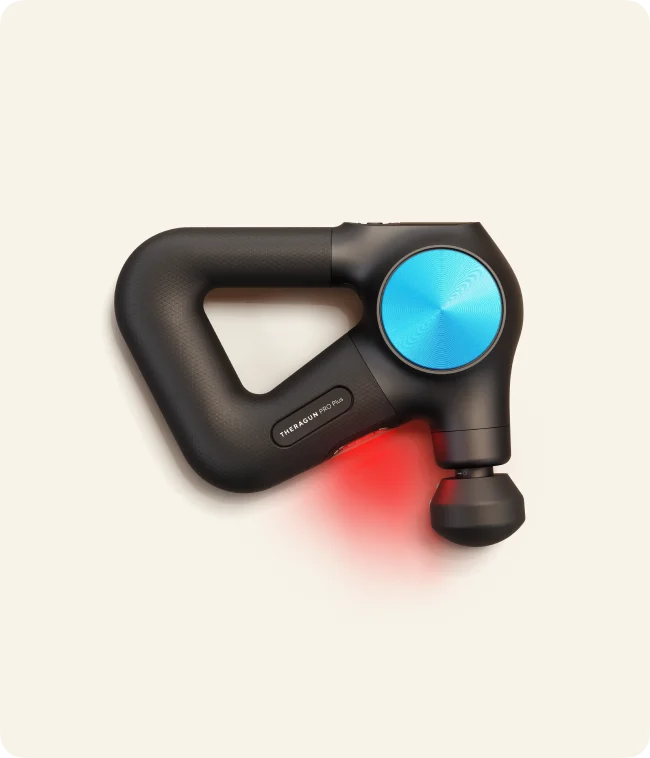
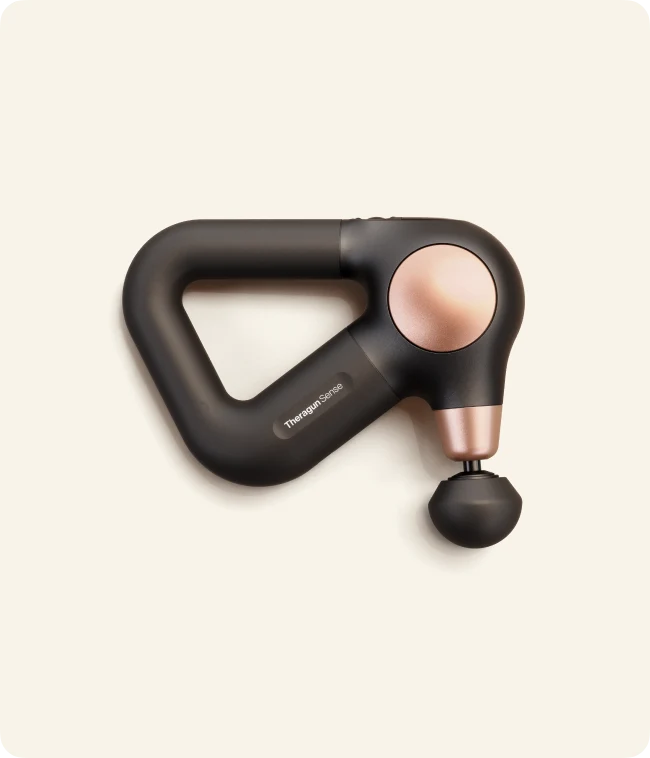
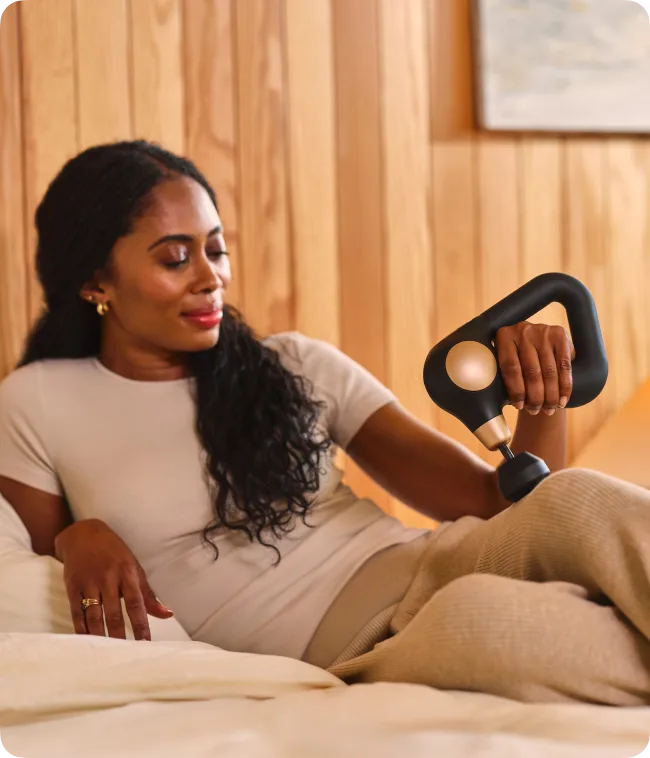
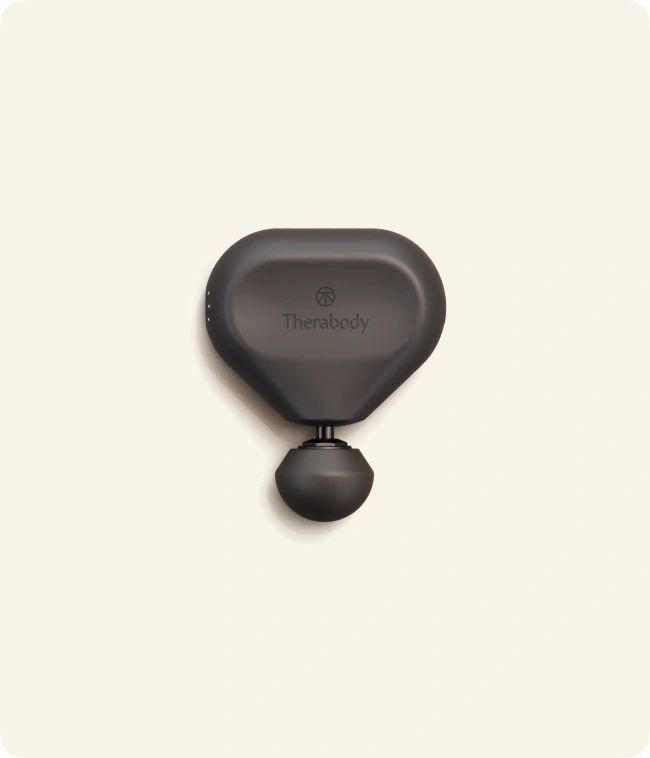
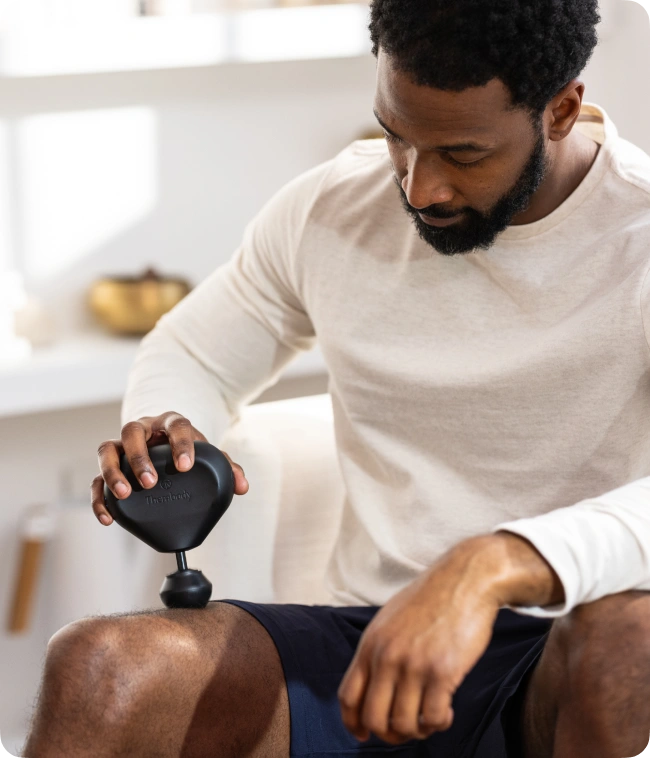
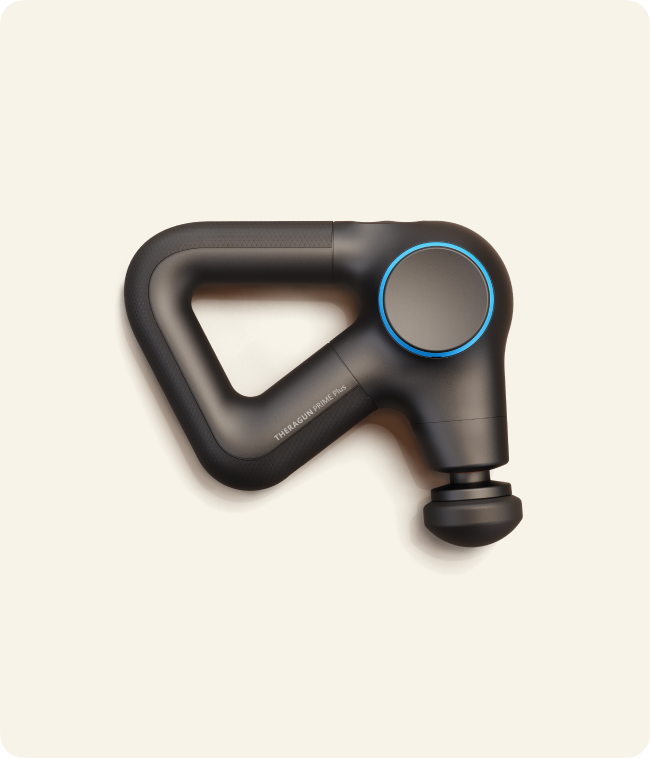
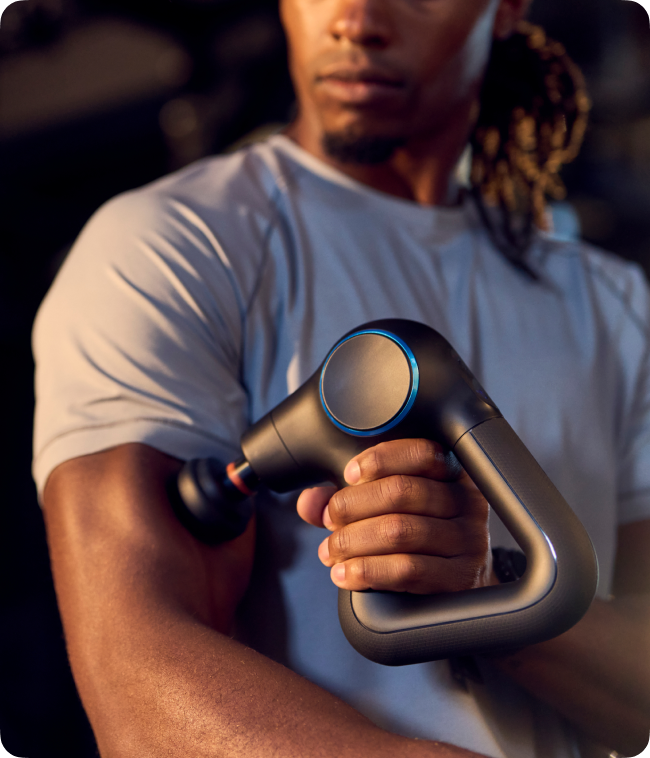
For example, Therabody’s flagship product, the Theragun®, has brought science-backed percussive therapy into homes, gyms, and clinicians’ offices across the globe.
Research shows that Therabody’s Theragun delivers percussive therapy that can:
- Have the same muscle recovery benefits as a 15-minute massage (after just 2 minutes of use) [11]
- Increase muscle strength when used for 12 minutes post-workout [12]
- Improve lower body flexibility [13]
- Increase the number of bench press reps when used between sets [14]
- Enhance range of motion [15]
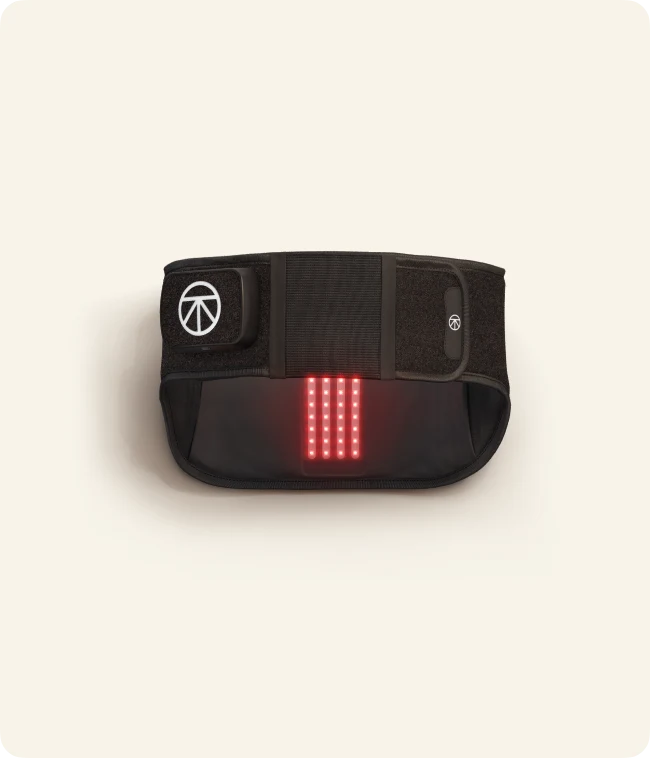
Many Therabody products also combine multiple modalities into one device. Therabody’s ThermBack LED combines heat, infrared light, and vibration therapy in one wearable device that has been shown to reduce lower back pain and the use of over-the-counter pain medications to treat it.
Roberts emphasizes that these technologies are not intended to replace clinicians. Rather, they extend the benefits of care beyond the clinic walls.
"In a clinical context, the same tools become a bridge — extending a practitioner's plan beyond the appointment — but only when they're backed by rigorous research that validates how and why they work,” says Roberts. “Evidence is what turns an at-home device into a legitimate part of someone's musculoskeletal health strategy.”
The accessibility of these evidence-based devices is crucial for a consistent routine. While a physical therapy appointment or sports medicine consultation might occur once every few weeks, the decisions that influence recovery and resilience happen daily. And consistency, Roberts notes, is often what determines long-term outcomes. “Recovery technologies matter because they bring that support out of the clinic and into daily life, helping manage soreness, fatigue, and dysfunction before they become reasons to stop. When people can recover well on their own terms, they stay active longer and more sustainably.”

Building a prevention-focused musculoskeletal health routine
Here’s a 3-step upper- and lower-body routine developed by Peeke to help build strength and stability and support musculoskeletal health.
Upper body
Push-up (or elevated / knee push-up)
- How to do it: Start in a plank position with hands under shoulders. Lower your chest toward the floor with control, keeping your body in a straight line, then press back up.
- Reps: 8–12 reps (modify on knees or against a bench/wall)
Forearm plank
- How to do it: Position elbows directly under shoulders and extend your legs behind you. Engage your core and glutes, keeping your body in a straight line from head to heels. Avoid sagging hips.
- Time: Hold for 20–30 seconds Low to high plank
- How to do it: Begin in a forearm plank. Press one hand up at a time into a high plank, then lower back down, alternating arms. Keep hips steady throughout.
- Reps: 6–10 controlled reps or 20–30 seconds
Lower body
Bodyweight squat
- How to do it: Stand with feet shoulder-width apart. Sit your hips back and down like you’re sitting in a chair, then press through your heels to stand.
- Reps: 10–15 reps
Reverse lunge
- How to do it: Step one leg back into a lunge, lowering both knees to about 90 degrees. Push through your front heel to return to standing.
- Reps: 8–10 reps per leg
Glute bridge
- How to do it: Lie on your back with knees bent and feet flat on the ground. Press through your heels to lift your hips, squeezing your glutes at the top, then lower slowly.
- Reps: 12–15 reps (or hold top position for 20–30 seconds)
RELATED: How to Use Theragun Mini Throughout Your Active Day

The future of musculoskeletal care
Looking ahead, musculoskeletal care will become more personalized, more preventive, and more integrated into everyday life.
"I expect the next decade to be defined by the convergence of two trajectories," says Roberts. "Our deepened scientific understanding of how the body heals and adapts, and the technologies designed to amplify those natural responses." Rather than waiting for pain or injury to dictate action, individuals will have greater access to the tools, knowledge, and evidence needed to support their bodies proactively.
"The line between clinical care and everyday self-care will keep dissolving," Roberts says. "People will take far greater ownership of their own physical resilience."
Key takeaways
- Musculoskeletal conditions affect 1.7 billion people globally, and the focus is shifting from treatment to prevention.
- Consistent strength training significantly improves musculoskeletal health, and recent guidelines focus on exercise type, frequency, and intensity.
- Recovery tools like percussive therapy, heat, and cold therapy are now available for daily home use — not reserved for clinical settings.
- The future of musculoskeletal care is proactive: better science and accessible technology are putting physical resilience in people's hands.
References:
- WHO Musculoskeletal health
- Impact of Skeletal Muscle Mass on Metabolic Health
- The relationships of postural stability with muscle strength and proprioception are different among older adults over and under 75 years of age
- Home-based strength and balance exercises for fall prevention among older individuals of advanced age: a randomized controlled single-blind study
- Objectively measured physical capability levels and mortality: systematic review and meta-analysis
- Resistance training is medicine: effects of strength training on health
- Peak Bone Mass Formation: Modern View of the Problem
- CDC Benefits of Physical Activity
- The association between sedentary behaviour and sarcopenia in older adults: a systematic review and meta-analysis
- ACSM Landmark 2026 Resistance Training Guidelines
Comparison of Interventional Strategies to Improve Recovery after Eccentric - Exercise-Induced Muscle Fatigue
- The Acute Effects of Cold Water Immersion and Percussive Massage Therapy on Neuromuscular Properties and Muscle Soreness after Exercise in Young Male Soccer Players
- The impact of protocol designs for using massage guns on lower body flexibility: A randomised cross-over design study
- Acute Effects of a Percussive Massage Treatment on Movement Velocity during Resistance Training
- The Biomechanical Effects of Percussive Therapy Treatment on Jump Performance

Related products
-
 Sold out Sale
 -
 Sold out Sale
 -
 Sold out Sale
 -
 Sold out Sale