

New Study Finds Therabody Devices Mitigate Second-Half Performance Decline in Soccer Players
Published:
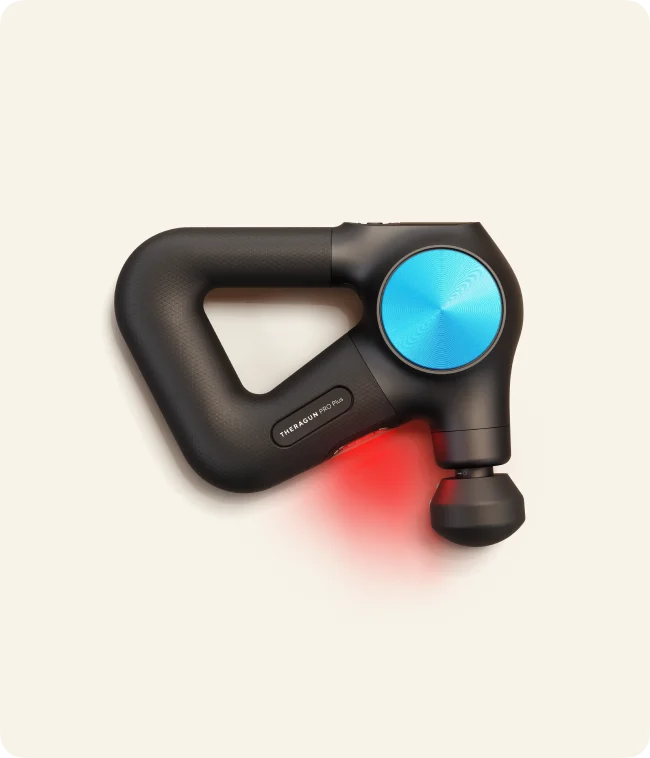
LOS ANGELES, July 23, 2026 /PRNewswire/ -- Therabody, the global leader in wellness technology, and the University of Northampton concluded research conducted over the last several years examining the introduction of recovery modalities, including the Theragun (percussive therapy), PowerDot (electrical muscle stimulation), and JetBoots (pneumatic compression), during halftime, to help mitigate second-half performance decline in soccer players.
These declines appear in two distinct patterns: a sharper immediate "dip" in the first 5 to 15 minutes right after halftime or a gradual drop-off from cumulative fatigue over the full second half, according to Brendon Skinner, the study's first author and Senior Lecturer in Sport Rehabilitation and Conditioning from Northampton. That immediate dip is driven largely by a drop in muscle and core temperature during a 15-minute passive halftime break — not by energy depletion — and has been linked to slower sprint times, worse passing accuracy, and lower overall readiness right when play resumes.
The new research published last week in the Journal of Sports Science and Medicine observed 43 elite academy-level youth soccer players in simulated matches, complete with a technical-skill test, repeated 20-meter sprints, and a 15-minute halftime break in which players either rested passively or used one of the Therabody devices.
"Bringing a product into market isn't the end of the scientific process, and at Therabody we continue to study our technologies in the real world to better understand if they are beneficial and how they can be used most effectively in any setting,” said Rachelle Reed, PhD, Head of Scientific Research & Science Communication at Therabody.
The research found that players who rested passively saw their technical performance score worsen by 7.5%, with significant deterioration in technical performance, sprint times, and perceived recovery. Players who used a Therabody device fared significantly better:
- Theragun: technical performance score improved 2.4%, 20-meter sprint times were maintained, and the second-half rise in heart rate was significantly smaller.
- PowerDot: technical performance score improved 2.6%, driven by fewer errors and better accuracy under fatigue.
- JetBoots: 20-meter sprint times were maintained, and the decline in perceived recovery was decreased to just 9.9%, compared to 32.5% in the group that only rested.
"Halftime has traditionally been dominated by tactical discussions, nutrition and preparation for the second half. Our findings suggest that it should also be viewed as a genuine human performance opportunity,” said Robin Thorpe, PhD, member of Therabody's Scientific Advisory Board. “Even within a relatively short window, there is a possibility to support physical readiness without interfering with the priorities of coaches."
To learn more about the study and the full suite of Therabody products that can support recovery by decreasing second-half performance decline, visit the Journal of Sports Science and Medicine and Therabody.com.
ABOUT THERABODY
Therabody® is the global wellness technology leader with a mission to empower every body to feel better and move better. Founded by Dr. Jason Wersland in 2016, the company combines science, innovation, and design to create products that optimize human performance and recovery. Recognized as one of Fast Company's Most Innovative Companies of 2026 and TIME's Best Inventions of 2025, Therabody continues to set the standard for wellness innovation. Its ecosystem includes the Theragun, JetBoots, PowerDot, TheraFace, and TheraCup, as well as digital wellness content and in-person experiences through Reset® by Therabody. For more information, visit Therabody.com or follow @Therabody on social media.
MEDIA CONTACT
Therabody
Praytell Agency
Therabodypr@praytellagency.com / press@therabody.com