

5 Realistic Ways to Practice Self-Care After Having a Baby
Published:
Last updated:
Authors: Therabody Scientists: Bailey McLagan, MS; Michelle Darian, MS, MPH, RD, LDN; Tim Roberts, MSc; Rachelle Reed, PhD, MS, ACSM-EP
The transition to motherhood (whether it's your first or you've done it all before) can be full of joy, love, change, and challenge.
As you transition to caring for a new life, caring for yourself can easily fall to the wayside if you don't intentionally build it into your daily routine.
Practicing self-care — daily actions and intentional choices for your own health — can help you better navigate motherhood. Studies show that parents who engage in self-care tend to be more relaxed when taking care of their children, feel more present, and can exercise more patience. It can help model healthy behavior for your kids as well. [1, 2]
This is often easier said than done, but remember that you’re not alone; asking for help when you need it is an act of self-care on its own.
Here, we'll dive into why self-care is so important after having a baby, and five simple ways that you can practice it.
Why is self-care so important after having a baby?
During the postpartum period, your hormones can really impact how you feel. Hormone levels climb to support the pregnancy and fall dramatically after giving birth, while others rise to support milk production.

These hormonal shifts, a whole new schedule, and a lack of sleep can challenge your mental health. In fact, 13% of mothers experience depression during pregnancy and postpartum, and 39% experience anxiety. [3] And this is likely an underestimate — up to 50% of women experiencing poor mental health during this time go undiagnosed. [4]
This has implications for everything a woman experiences, from her quality of life, her relationship with others, and how she bonds with her new baby. [5, 6]
Making space for acts of self-care can help improve mood and decrease symptoms of anxiety and depression. [7]
With all of the demands that accompany having a newborn, prioritizing yourself can quickly fall to the bottom of the list. But spending even a few minutes a day doing something for yourself can go a long way. It can look like a quick workout or nap, practicing meditation, or anything else that leaves you feeling fulfilled.
In this phase of life, many of your previous health habits may feel out of reach. Here are five science-backed practical strategies that support your self-care and meet you where you are.
1. Listen to a calming soundscape while you multitask
Sound machines aren’t just for your little ones. Listening to soothing soundscapes can also help you feel more relaxed, improve your mood, and encourage sleep.
Sound therapy works by influencing your nervous system and brain wave patterns, helping to guide you toward a calmer state. Gentle rhythms can help decrease heart rate and blood pressure (both of which spike during stressful moments), creating a sense of peace for your body and mind. [8, 9]
The best part is that you can turn on sound therapy for a sense of relief while you’re going about your day. You can carve out a few minutes to listen while sitting on the couch with your eyes closed, or you can turn them on while washing baby bottles, driving to and from appointments, or as you fall asleep.
If you’re looking for peaceful soundscapes, the Therabody® app has a variety of options you choose from. Created by auditory experts, these soundscapes are designed to fit seamlessly into your day, whether you need a moment of calm or help drifting off to sleep.
2. Go on walks, solo or with your baby in tow
Going for a walk is a simple and effective way to practice self-care. It can help to boost your mood and clear your mind, all while getting some fresh air, sunshine, and movement.
Ask your partner, a family member, or caregiver to watch the baby while you take a few minutes for a solo walk.
Or, bring your baby along. If your little one likes to sleep in their carrier, plan your walk around one of their naps so they can rest while you move. If they prefer the stroller, try going for a stroller walk.
“Walking is one of the best forms of exercise in the first weeks and months postpartum,” says Dr. Kate Havens, Associate Professor of Clinical Physical Therapy at the University of Southern California. "Bringing your baby on a walk with you is a great way to get fresh air, move your body, and also be available to your new baby’s needs.”

3. Try these “exercise snacks” (these can even include your baby!)
Getting back to exercise can feel daunting.
It's no surprise that studies show that mothers tend to be less physically active than those without kids, often due to time and childcare constraints. [2, 7]
But exercise can be done in small bites. Spending a few minutes being active throughout the day may be more manageable between feeding, comforting, bathing, and putting your baby down for a nap.
When it comes to physical activity, Dr. Kristen Lettenberger, a pregnancy and postpartum physical therapist, recommends what she calls “exercise snacks.” “Take a workout and split it up into four sessions throughout the day. You still get the same volume of exercise, without the pressure of finding an hour to work out,” she says.
At-home workouts are also a great way to move your body. They can even include your baby once you're cleared for exercise by your doctor and the baby has good head control. “It’s fun to incorporate them into your workouts. You can use them as weights — lift them while you squat, do a plank over them while you talk, or dip down to kiss them. It’s sweet when they can be part of it too," says Dr. Havens.
4. Eat foods and nutrients that nourish you
In the postpartum period, your body’s nutritional demands increase, especially if you're breastfeeding, which requires additional calories and key nutrients. [5, 11]
Prioritizing nourishment during this time supports recovery, energy levels, and overall well-being.
All new mothers benefit from nutrient-rich foods like whole grains, protein, and unsaturated fats to support healing, hormone health, and sustained energy through long days and nights. [12, 13]
Here are some practical ways to nourish your body without the added stress: [14]
If cooking is an act of self-care for you, try meal prepping for an hour or two at the beginning of the week so weeknight meals come together faster.
- Stock up on pre-made meals and frozen produce that won't spoil quickly.
- Use a slow cooker or Instant Pot for hands-off cooking.
- Make large batches of freezer-friendly meals you can reheat later.
- Try making foods that can be eaten with one hand in case you need to multitask while you eat.
- Keep easy, nutrient-dense snacks within reach, like nuts, energy balls, fruit, cheese.
- Ask for help when you need it. Tell friends and family what kind of meals you enjoy and ask them to take turns bringing food over.
For postpartum nutrition recommendations, check out this guide.

5. Focus on sleep quality rather than quantity
New infants require frequent attention, often interrupting the recommended 7-9 hours of sleep adults need. This lack of sleep can significantly impact your mood and wellbeing, contributing to feelings of anxiety and depression. [15]
While getting a full night's sleep may not be realistic right now, focusing on the quality of sleep (how well you’re sleeping) during those windows can make a real difference.
- Here are three tips to help parents maximize sleep:
- Even short naps or rest periods can improve mood and support recovery
- Take shifts or turns with your partner for nighttime wakeups when possible
- Let go of other tasks — your body needs sleep to heal
Practicing good sleep hygiene can help to protect the quality of sleep you do get: [16]
- Avoid light exposure from electronics near bedtime and during overnight feedings
- Sleep in a cool, dark environment
- Keep a consistent bedtime routine, like incorporating relaxing sound therapy before bed
In addition to your nighttime routine, your daytime activities can impact sleep quality, too. Research shows that postpartum exercise can improve sleep quality and daytime fatigue. [17] A combination of massage and exercise can also be an effective non-pharmacological way to improve sleep quality postpartum. [18]
If you’re looking for additional sleep support, these tools are proven to enhance sleep quality:
- The Therabody SleepMask has been shown to help people fall asleep faster and spend more time in deep sleep, making it a great option for improving sleep quality, especially for daytime naps.
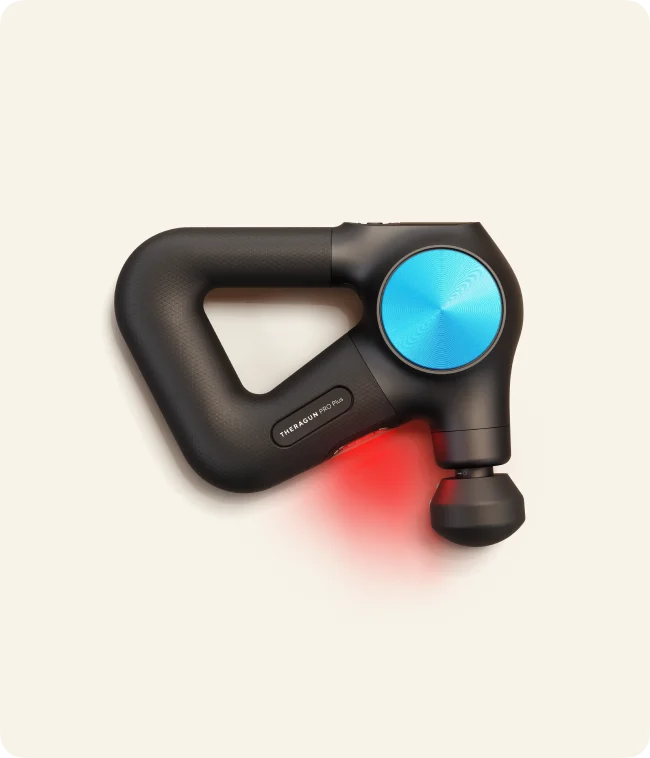
- Theragun® percussive massage therapy before bedtime can reduce muscle tension and help you relax. A 6-minute treatment has been shown to improve sleep.

Key takeaways
- Self-care after having a baby isn't selfish — it's essential for your physical and mental health, helping you show up more fully for your newborn.
- Postpartum hormonal shifts, sleep deprivation, and new responsibilities can significantly impact mood and increase the risk of anxiety and depression.
- Small, snackable moments of self-care throughout the day can be just as effective as single longer sessions, and may feel more manageable.
- Movement matters: Walking and short exercise sessions can improve both physical recovery and mental wellbeing postpartum.
- Simple tools like sound therapy, meal prepping, and good sleep hygiene can make self-care more accessible during this life phase.
- Remember to ask for help from your community, family, or partner to allow for space and time to care for yourself.
References
- 8 Self-Care Tips for Parents: Practical Advice
- Put MY mask on first: Mothers’ reactions to prioritizing health behaviours as a function of self-compassion and fear of self-compassion
- DEFYING TRADITION: RETURN TO SPORT AFTER CHILDBIRTH
- Perinatal Depression: Challenges and Opportunities
- Perinatal Depression: Prevalence, Risks, and the Nutrition Link—A Review of the Literature
- The Pivotal Role of Social Support, Self-Compassion and Self-Care in Predicting Physical and Mental Health Among Mothers of Young Children
- A birth of inactivity? A review of physical activity and parenthood
- Eastern Integrative Medicine and Ancient Sound Healing Treatments for Stress: Recent Research Advances
- Sound therapy induced relaxation: down regulating stress processes and pathologies
- Measuring self-care in the general adult population: development and psychometric testing of the Self-Care Inventory
- Equity and health: the inclusion of pregnant and breastfeeding women in clinical trials
- That salad isn’t just good for your nutrition—it may help stave off depression
- Nutritional Interventions in Depression and Perinatal Depression
- Nutrition Guide for Postpartum and Breastfeeding Mothers
- Maternal Sleeping Problems Before and After Childbirth - A Systematic Review
- Sleep physiology, pathophysiology, and sleep hygiene
- Impact of postpartum physical activity on maternal sleep: a systematic review and meta-analysis
- Non-pharmacological interventions for improving postpartum maternal sleep: A systematic review and meta-analysis